Why They Are Built for Speed
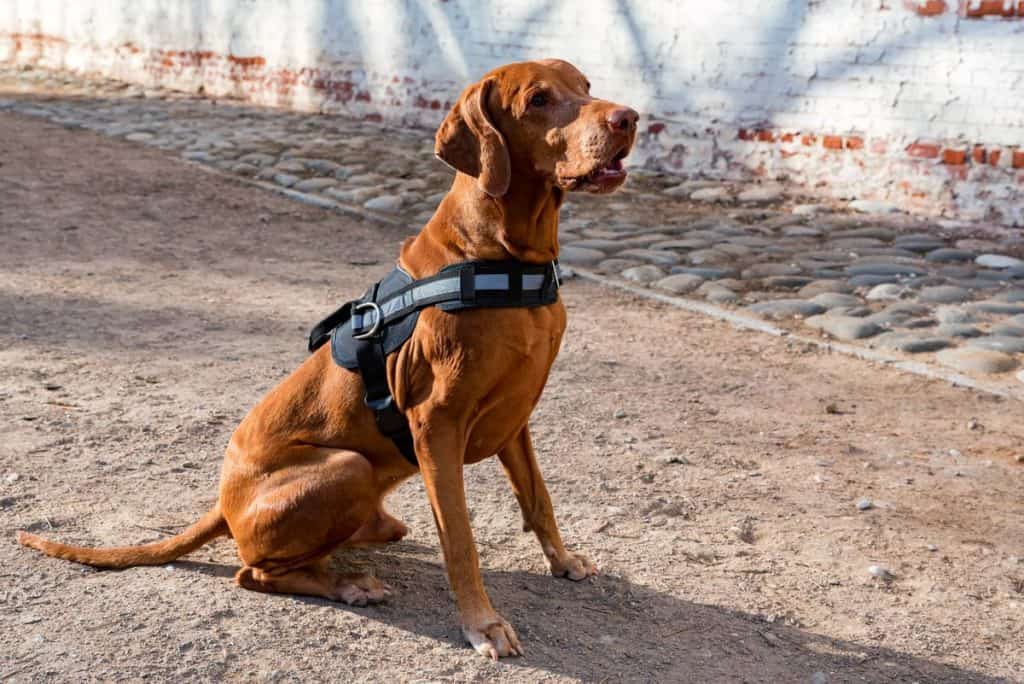
Vizslas were bred in Hungary as pointer-retriever hunting dogs, working all day across open fields and marshland. Everything about their physique reflects that: a lean, muscular frame, deep chest for lung capacity, and long legs that cover serious ground with very little effort. They are not a breed that lopes; they run with intention.
At full sprint my Vizsla hits what I can only describe as a blur. I tried to film it once at the park and ended up with a lot of footage of grass. What surprised me more than the top speed, though, was the endurance. A greyhound is faster in a straight line, but a Vizsla can sustain a hard run for hours. That hunting heritage means they are designed for a full day in the field, not a 60-second sprint.
From experience: A 20-minute lead walk does not come close to tiring my Vizsla. For genuine tiredness, I aim for at least 90 minutes of off-lead running per day. On days we get less than that, everyone in the house knows about it.
How Does a Vizsla Compare to Other Breeds?
Does Speed Matter for How You Exercise Them?
Yes, in a practical sense. A Vizsla off-lead is covering ground many times faster than you are. A 30-minute off-lead session where your dog is genuinely running is not the same as a 30-minute walk. That mileage adds up quickly, which is partly why Vizslas tire better with free running than with on-lead exercise at your pace.
It also matters for recall training. A Vizsla at full speed has serious momentum and decision-making lag. If your recall is not bombproof, they will cover 300 metres before they register the command. I learned this the hard way in 2020 and have put a significant amount of time into recall work since. It is not optional with this breed.